New Research Insights: Policy Gaps and Solutions for Child Soldier Prevention


Understanding the Issue of Child Soldiers
The issue of child soldiers remains one of the most harrowing challenges in conflict zones worldwide. Despite global efforts, thousands of children are still coerced, abducted, or manipulated into military groups. These children are robbed of their childhoods and forced into harrowing situations that have long-lasting impacts on their mental and physical well-being.
New research has shed light on the policy gaps that allow this tragic phenomenon to persist. By exploring these gaps, stakeholders can better understand the steps needed to prevent the recruitment and use of child soldiers.

Policy Gaps in Child Soldier Prevention
One of the primary policy gaps identified is the lack of robust legal frameworks in conflict regions. Many countries lack comprehensive laws that explicitly criminalize the recruitment of child soldiers, leading to a culture of impunity. Without stringent legal measures, perpetrators continue their activities without fear of prosecution.
Additionally, the absence of international cooperation and coordination further exacerbates the issue. While some regions have taken significant strides in addressing the problem, others lag due to insufficient resources and political will. This inconsistency creates loopholes that armed groups exploit.
Proposed Solutions to Address Policy Gaps
To combat these challenges, several solutions have been proposed. First and foremost is the strengthening of international legal frameworks. By enhancing existing treaties and ensuring their enforcement, countries can create a unified front against the recruitment of child soldiers.

Moreover, there is a need to invest in grassroots organizations. These groups often have the local knowledge and connections necessary to implement effective prevention strategies. Supporting them financially and logistically can lead to more sustainable solutions.
Role of Education and Rehabilitation
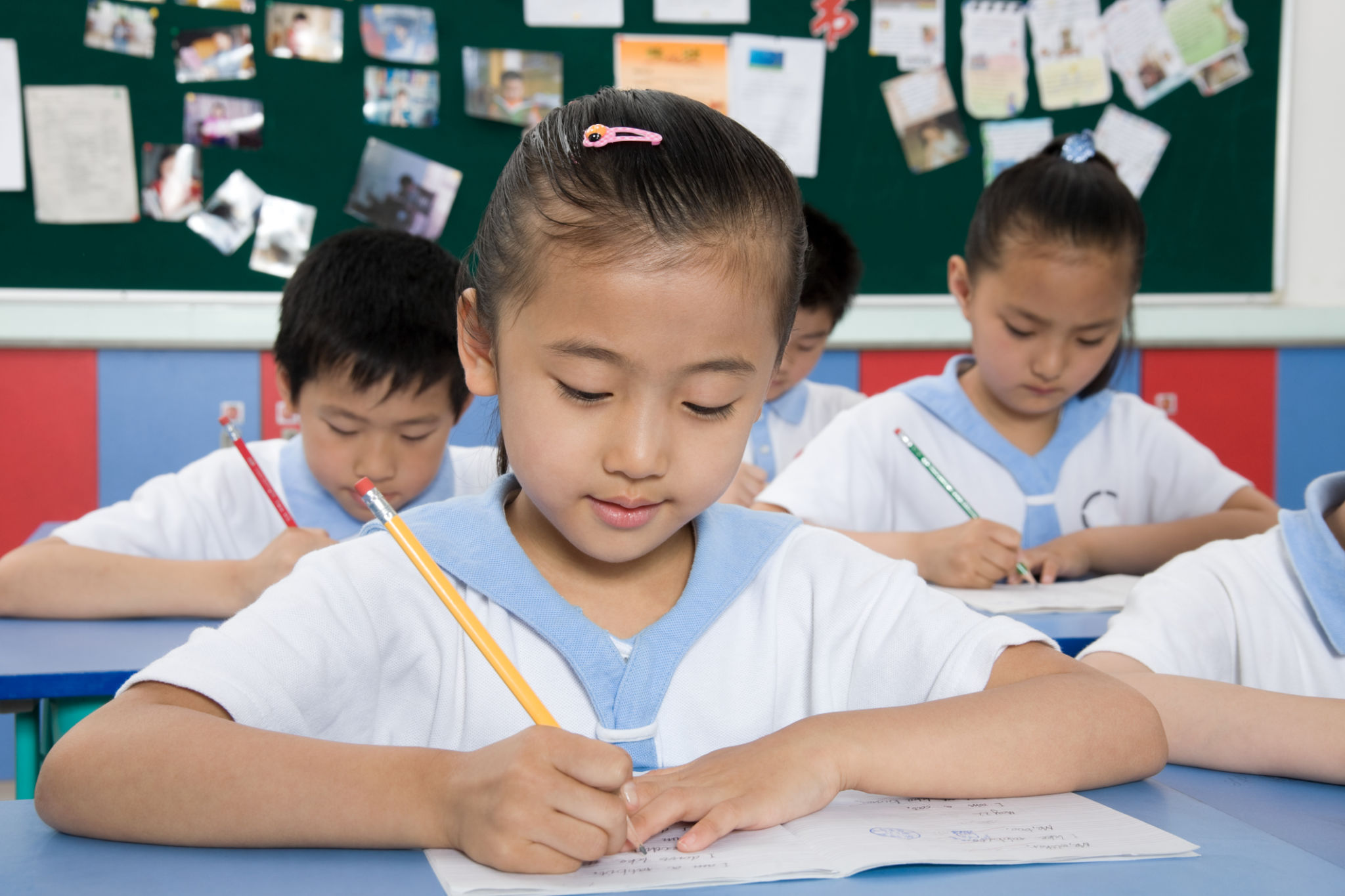
Education plays a crucial role in prevention. By providing children with access to schooling and vocational training, communities can offer alternatives to joining armed groups. Education empowers children and helps break the cycle of poverty and violence.
Rehabilitation programs are equally important. Former child soldiers need comprehensive support to reintegrate into society. This includes psychological counseling, healthcare, and education, which help them rebuild their lives and prevent re-recruitment.
International Cooperation and Advocacy
International cooperation is vital in addressing the issue of child soldiers. Countries must work together to share intelligence, resources, and best practices. Multilateral organizations can play a pivotal role in facilitating these collaborations.
Advocacy is also key. Raising awareness about the plight of child soldiers can garner public support and pressure governments to take action. Global campaigns and media coverage can bring much-needed attention to the issue, motivating stakeholders to implement effective solutions.
By addressing these policy gaps and implementing comprehensive solutions, the international community can take significant strides toward eradicating the use of child soldiers. Through a combination of legal reform, education, rehabilitation, and cooperation, a future without child soldiers can become a reality.