Understanding the Challenges of Creating Effective Policies Against Child Soldier Recruitment


The recruitment of child soldiers is a grave issue affecting many regions worldwide. Addressing this problem requires a comprehensive understanding of the challenges involved in creating effective policies. These policies must be tailored to prevent the recruitment and use of children in armed conflicts, ensuring their protection and rehabilitation.
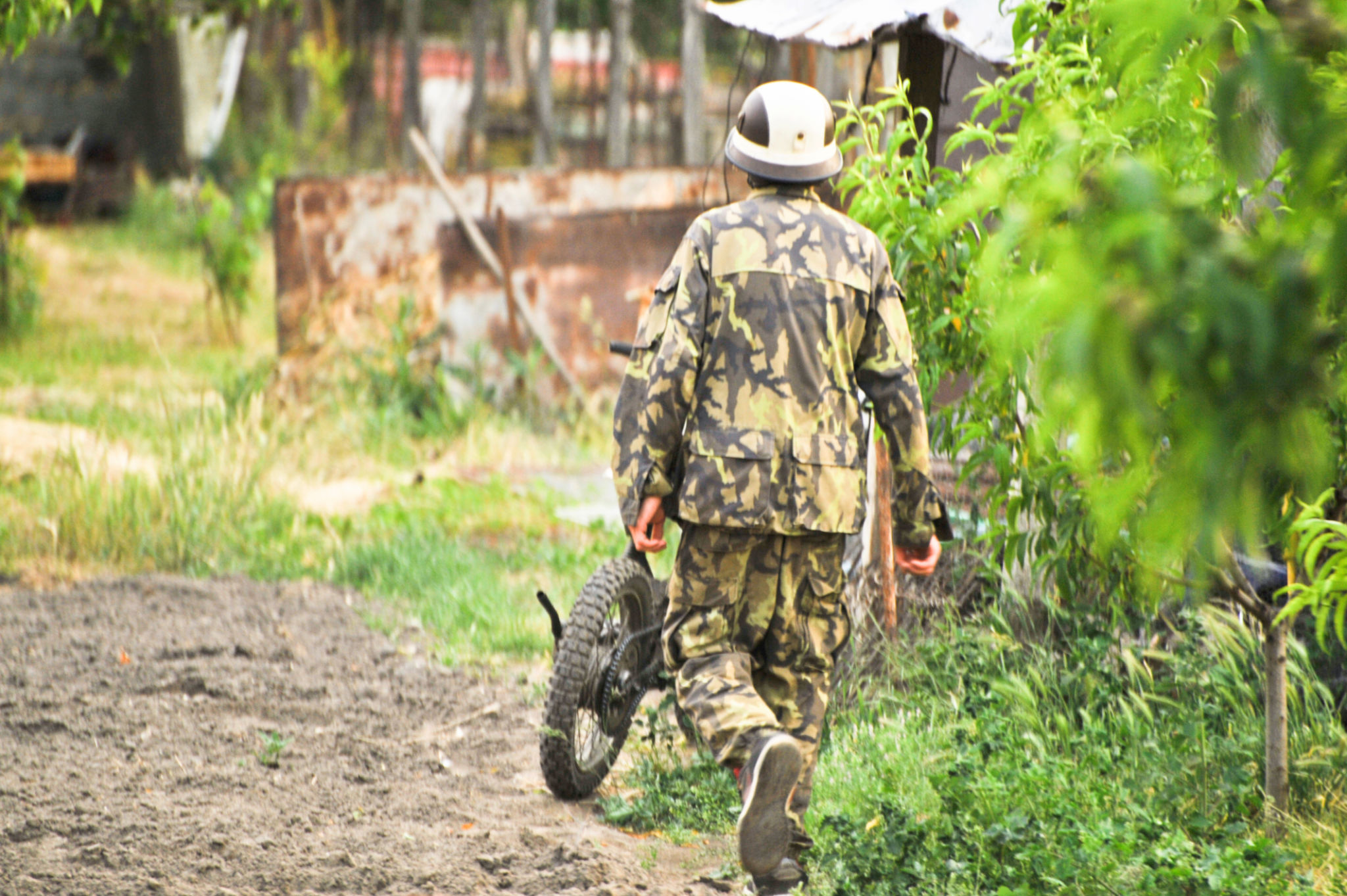
Understanding the Root Causes
One of the primary challenges is understanding the root causes that lead to the recruitment of child soldiers. Poverty, lack of education, and political instability are significant factors. Children in vulnerable communities often have limited choices, making them easy targets for recruitment by armed groups. Addressing these root causes is crucial for any policy to be successful.
Moreover, societal norms and cultural factors can also play a role. In some regions, children may be seen as assets in conflict, either as fighters or in supportive roles. Policies need to consider these cultural dimensions to be effective.
Legal and Enforcement Challenges
Implementing legal frameworks to prevent child soldier recruitment is another significant challenge. Many countries have laws in place, but enforcement remains weak due to lack of resources or political will. Corruption and inadequate training of law enforcement agencies further complicate the situation.

International laws, such as the Optional Protocol to the Convention on the Rights of the Child on the involvement of children in armed conflict, provide a framework for action. However, translating these international commitments into national legislation and effective enforcement is a complex process that requires collaboration and sustained effort.
Rehabilitation and Reintegration
Once children are recruited, their rehabilitation and reintegration into society pose additional challenges. Former child soldiers often face stigma and psychological trauma, making it difficult for them to return to normal life. Effective policies must include comprehensive rehabilitation programs that address mental health, education, and vocational training.

Community involvement is vital in this process. Policies should promote community-based rehabilitation efforts, ensuring that children are accepted and supported by their communities. This approach not only aids in healing but also prevents future recruitment by providing children with stable and supportive environments.
International Cooperation and Support
Tackling the issue of child soldier recruitment requires international cooperation. Countries must work together to share intelligence, resources, and best practices. International organizations play a critical role in facilitating this cooperation and providing technical and financial support to affected regions.
The role of non-governmental organizations (NGOs) is also crucial. They often work on the ground to implement policies and programs, bridging the gap between international frameworks and local realities. Support for these organizations is essential to ensure that policies are effectively translated into action.
Innovative Approaches and Future Directions
Innovative approaches, such as using technology for monitoring and reporting, can enhance the effectiveness of policies against child soldier recruitment. Mobile apps and online platforms can facilitate real-time data collection and reporting, enabling quicker responses to recruitment efforts.

As we move forward, it is essential to continue exploring new strategies and maintaining a focus on prevention. By addressing the root causes, strengthening legal frameworks, supporting rehabilitation, and fostering international cooperation, we can create a future where children are protected from the horrors of armed conflict.